


In the world of precision manufacturing, surface finish is far more than just a cosmetic improvement. It's a sophisticated protective layer and a silent indicator of part performance. Excellent surface finish not only significantly enhances a part's visual quality but also significantly improves its corrosion resistance, fatigue resistance, and assembly precision, directly impacting the product's ultimate quality and service life.
However, achieving excellent surface finish is no easy task. A dimensionally precise part can fail quality inspection or even fail assembly due to a rough surface. When you're struggling to consistently achieve ideal surface quality, a systematic solution is what you need.
This article will comprehensively explain the core elements and technical approaches for ensuring excellent surface finish on CNC machined parts. From key parameters to practical techniques, from problem diagnosis to process optimization, we'll help you master the manufacturing code from "acceptable" to "excellent."
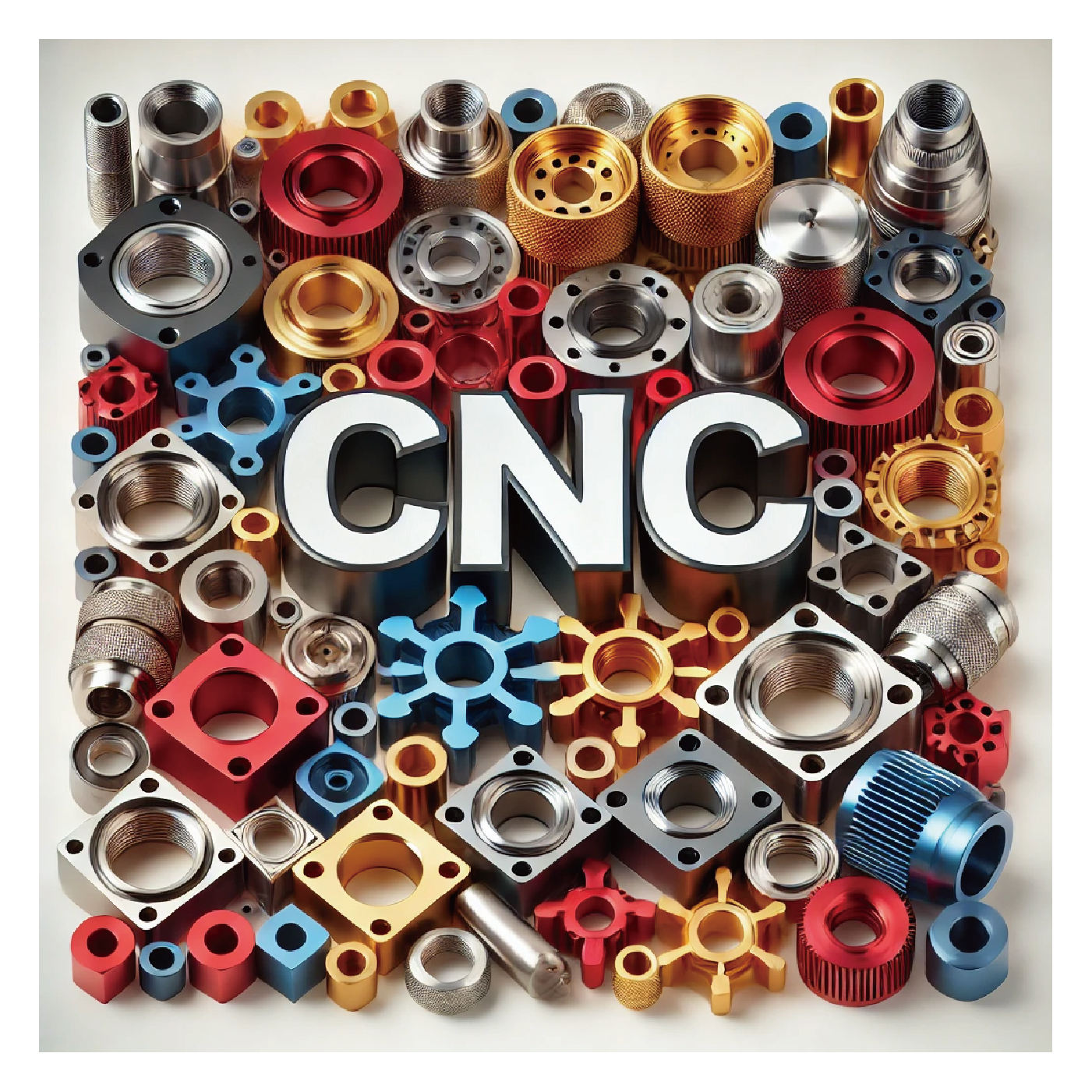
What is surface finish?
In precision manufacturing, surface finish, also known as surface texture or surface roughness, is a crucial quality indicator. It's more than just a part's aesthetic appearance; it's a technical parameter that measures its microscopic geometric properties. The most common parameter used to express surface finish is Ra (roughness average), which represents the arithmetic mean of the deviations from the mean surface profile.
Simply put, it describes the tiny peaks and valleys present on a part's surface after machining. Think of it like the "microtopography" of a terrain—some surfaces may resemble smooth glass, while others may resemble undulating sand.
Why does surface finish affect machine parts?
Understanding surface finish is crucial because it affects every aspect of machined parts.
Friction and Wear
Smooth surfaces: Low coefficient of friction effectively reduces wear between moving parts and extends service life.
Rough surfaces: Peak-point contact leads to accelerated wear and energy loss.
Fatigue Strength
Microscopic valleys on the surface are sources of stress concentration, making them highly susceptible to developing fatigue cracks under alternating loads. Excellent surface finish significantly improves a part's fatigue resistance.
Sealing Performance
For mating surfaces requiring sealing (such as hydraulic cylinders and flanges), a sufficiently smooth and flat surface is crucial for preventing leakage.
Dimensional Accuracy and Fit
In interference fits or sliding fits, surface texture directly affects the actual fit tightness and performance.
Corrosion Resistance
Rough surfaces are more likely to accumulate moisture and corrosive media, accelerating chemical and electrochemical corrosion.
Coating Adhesion
Whether painting, electroplating, or anodizing, a uniform and appropriate surface texture provides a better foundation for coating adhesion.
Major Causes of Poor Surface Finish on CNC Machined Parts
In precision manufacturing, surface finish is a key indicator of CNC machining quality. The following are the main causes of poor surface finish:
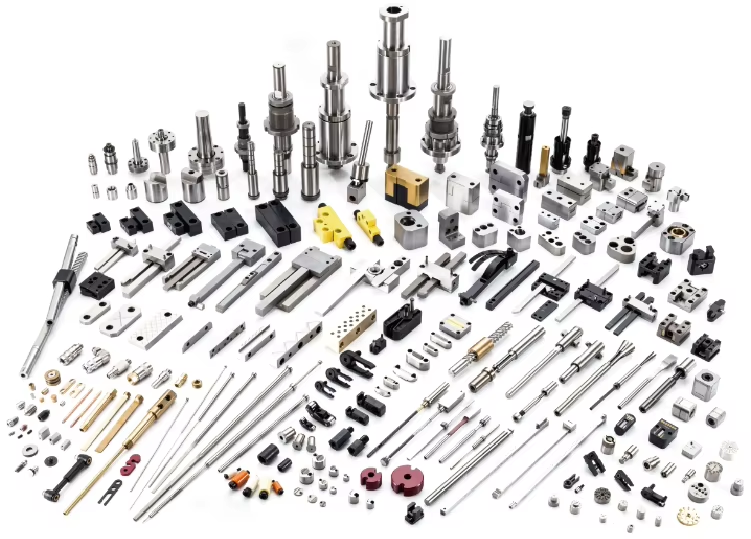
Poor Surface Finish in CNC Machining: Root Causes and Solutions
1. Incorrect Cutting Parameters
Suboptimal cutting parameters represent one of the most frequent causes of poor surface finish. Key aspects include:
Cutting Speed: Excessive speed induces tool chatter and vibration, while insufficient speed promotes built-up edge (BUE) formation.
Feed Rate: An overly high feed rate leaves visible tool marks, whereas a too-low rate causes excessive rubbing, heat generation, and potential surface damage.
Depth of Cut: Excessive depth overloads the tool, leading to deflection and poor finish. Conversely, an insufficient depth can result in inefficient rubbing instead of clean shearing.
2. Tool Wear
As cutting tools wear, their ability to produce a high-quality surface deteriorates significantly. Tool wear leads to:
Increased Friction: Generating excessive heat, which can cause thermal damage to the workpiece surface.
Altered Geometry: Worn cutting edges change the tool's interaction with the material, adversely affecting finish.
Inconsistent Cutting: A worn tool fails to cut uniformly across its edge, resulting in an uneven surface texture.
3. Improper Tool Selection
Selecting an inappropriate tool directly contributes to subpar surface quality. Critical considerations encompass:
Tool Material: The workpiece material dictates the optimal tool material (e.g., carbide grades) for effective cutting.
Tool Geometry: The cutting edge's form, including rake angle and nose radius, must be suited to the specific material and operation.
Coating: Advanced tool coatings can enhance surface finish by reducing friction and dissipating heat more effectively.
4. Inadequate Rigidity
Lack of stiffness in the machining setup induces vibrations and deflections, degrading surface quality. This may stem from:
Workholding: Inadequate clamping or support of the workpiece.
Tool Holding: Use of insufficiently rigid tool holders or those with excessive runout.
Machine Condition: Worn bearings, loose gibs, or other mechanical deficiencies within the machine tool itself.
5. Coolant Issues
Proper coolant application is vital for achieving a good surface finish. Common problems include:
Insufficient Coolant: Inadequate flow or volume leads to heat buildup, impairing surface integrity.
Incorrect Coolant Type: Using a coolant not optimized for the material or machining process.
Poor Delivery: Ineffective coolant delivery that fails to reach the cutting zone negates its benefits.
6. Material Considerations
The inherent properties of the workpiece material can pose challenges:
Inhomogeneous Materials: Materials with varying hardness or inclusions cause inconsistent cutting behavior.
Work Hardening: Certain materials (e.g., some stainless steels, nickel alloys) harden during machining, making them progressively harder to cut cleanly.
Built-Up Edge (BUE) Tendency: Some materials have a strong tendency to adhere to the cutting tool, forming BUE that deteriorates surface finish.
7. Programming Errors
In CNC machining, the quality of the G-code program directly influences the resulting surface finish:
Suboptimal Toolpaths: Paths that cause abrupt directional changes or inconsistent material removal lead to poor surface quality.
Incorrect Compensation: Errors in tool radius or length compensation result in uneven cutting depths or missed material.
Low Resolution: Programs with insufficient resolution can produce faceted surfaces instead of smooth contours.
8. Environmental Factors
External conditions in the machining environment can also impact the finish:
Temperature Fluctuations: Significant ambient temperature changes cause thermal expansion/contraction, affecting dimensional stability and surface finish.
External Vibration: Vibrations from nearby equipment or processes can transmit into the machining operation.
Contamination: Airborne dust or debris can interfere with the cutting process or contaminate the coolant system.
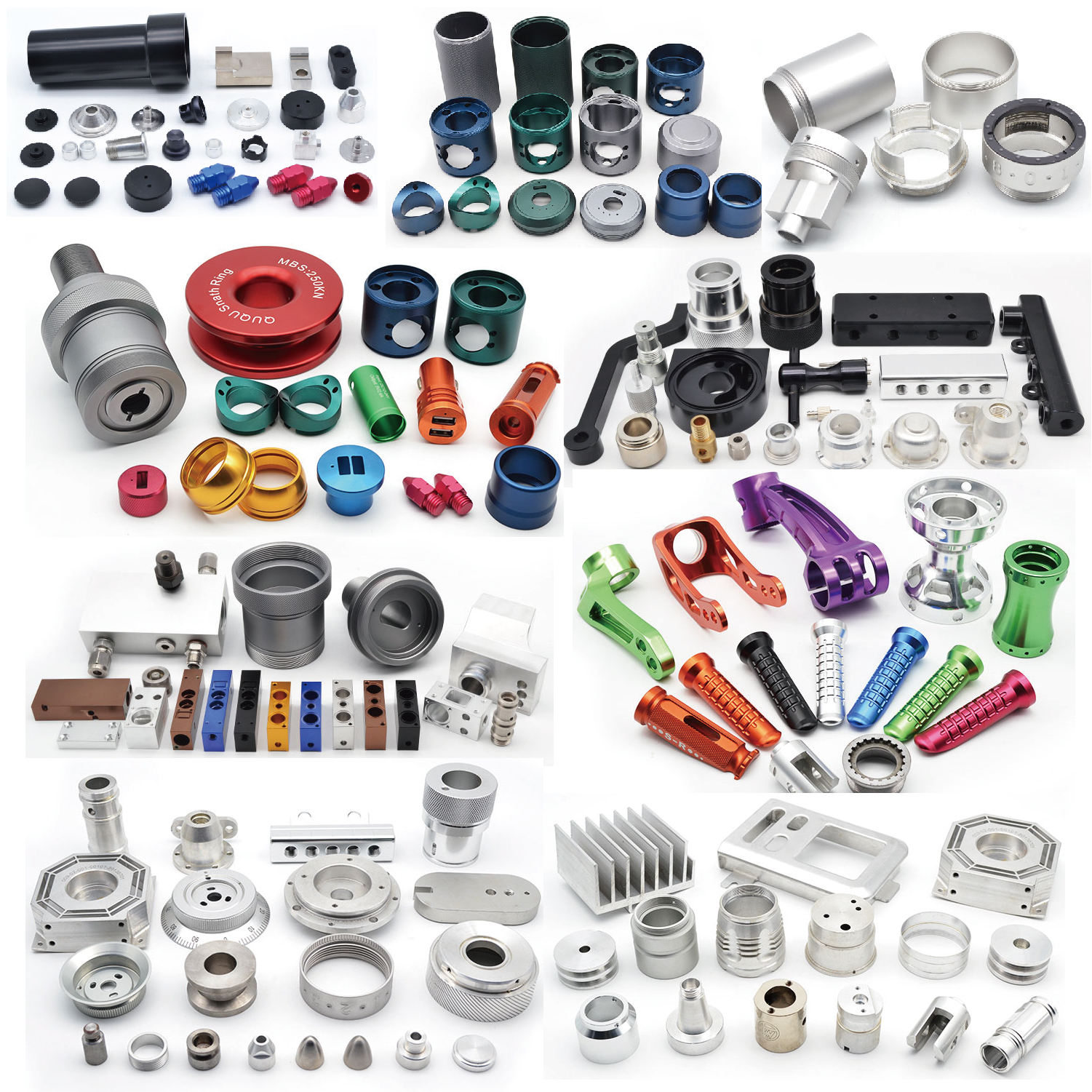
Major Causes of Poor Surface Finish on CNC Machined Parts
Achieving excellent surface finish in CNC machining requires a systematic process approach and meticulous attention to detail at every step. The following is a comprehensive optimization solution to help you achieve ideal surface quality:
Optimizing Cutting Parameters
Precisely adjusting cutting parameters is fundamental to improving surface quality. First, optimize the cutting speed, selecting the optimal range based on material properties and tool performance. Generally, increasing the speed appropriately while avoiding vibration can improve surface finish. Secondly, precisely control the feed rate. A lower feed rate is recommended during the finishing phase, effectively reducing cutting resistance and significantly improving surface smoothness. The depth of cut also requires careful setting. A smaller depth of cut is recommended for finishing, reducing tool load and minimizing tool deformation. Determine the optimal parameter combination through trial cuts and establish a process parameter database for future reference.
Improve Tool Management
Tool condition directly impacts machined surface quality. Establish a strict tool inspection system, regularly monitor tool wear, and replace tools before critical wear levels are reached. Scientifically select tool types based on the material and process requirements, comprehensively considering key factors such as tool geometry, substrate material, and functional coatings. Ensure that the tool's cutting edge is intact before use; any minor imperfections may be reflected on the machined surface. Also, select a high-precision toolholder system to minimize tool runout after installation.
Enhance the rigidity of the process system.
Machining system stability is a crucial prerequisite for ensuring surface quality. Use specialized fixtures to ensure secure workpiece clamping. Customized fixtures can be designed for complex-surface parts. Optimize tool overhang, minimizing it while meeting machining requirements to effectively reduce cutting vibration. Perform regular equipment maintenance, check the condition of key components such as spindle bearings and guide rails, and promptly eliminate equipment play. If necessary, implement active vibration reduction devices, such as damping toolholders or intelligent vibration control systems.
Apply cooling technology scientifically.
A reasonable cooling solution can significantly improve machined surface integrity. Select a cooling medium based on material properties, focusing on lubrication performance, cooling efficiency, and material compatibility. Ensure accurate coolant delivery to the cutting zone. High-pressure internal coolant systems (up to 70-200 bar) are recommended for difficult-to-machine materials. Establish a comprehensive coolant maintenance system, regularly testing concentration, pH, and colony counts to prevent contamination that could affect surface quality. Dynamically adjust flow parameters based on machining conditions to achieve precise temperature control.
Optimize CNC programming strategies.
The rationality of the CNC program has a decisive impact on surface texture. Use smooth, continuous tool path planning to avoid abrupt changes in motion direction. While appropriately reducing the stepover setting during the finishing phase will increase machining time, it can significantly improve surface uniformity. Prefer down-cut milling for finishing, which produces more consistent surface quality than conventional milling. Maintain a constant chip load when machining curved surfaces to ensure stable and controllable cutting forces.
Introducing Advanced Machining Concepts
Apply innovative machining methods when appropriate to improve surface quality. High-speed machining (HSM) maintains a stable cutting state, ensuring both surface integrity and efficiency. Adaptive cutting strategies maintain optimal cutting conditions by adjusting parameters in real time, making them particularly suitable for machining complex features. For high-precision internal bore features, precision boring can be used to achieve excellent cylindricity and surface quality.
Evaluate the influence of material properties
Take targeted process measures based on different material properties. Select specialized tools that match the workpiece material, especially when machining difficult-to-cut materials such as titanium alloys and high-temperature alloys. For materials prone to work hardening, implement appropriate stress relief steps before finishing. Plan tool paths appropriately to accommodate the anisotropic properties of the material. For materials prone to built-up edge, adhesion can be suppressed by optimizing parameters and selecting specially coated tools.
Controlling Machining Environment Conditions
The impact of environmental factors on machining accuracy cannot be ignored. Maintain a stable workshop temperature, limiting fluctuations to within ±1°C, to minimize the impact of thermal deformation on accuracy. Equip efficient chip removal and air purification systems to prevent contaminants from interfering with the machining process. When external vibration sources are present, implement vibration isolation foundations or active vibration isolation measures to ensure machining stability.
Establishing a Quality Monitoring System
Implementing full-process quality monitoring to ensure consistent surface quality. Deploy an online measurement system to monitor machining status in real time and identify problems promptly. Regularly use a surface roughness tester for quantitative testing to ensure compliance with technical specifications. Utilize statistical process control (SPC) methods to analyze quality data to promptly identify abnormal trends and take corrective action.
Utilize Post-Processing Processes
For parts with special requirements, post-processing can further improve surface quality. Mechanical polishing can significantly reduce surface roughness, achieving a mirror-like finish. Electrochemical polishing can achieve uniform surface improvement for complex cavities or microstructures. Shot peening not only improves fatigue resistance but also creates a uniform surface compressive stress layer. Vibratory grinding is suitable for surface finishing of small, batch-produced parts and effectively removes microburrs.
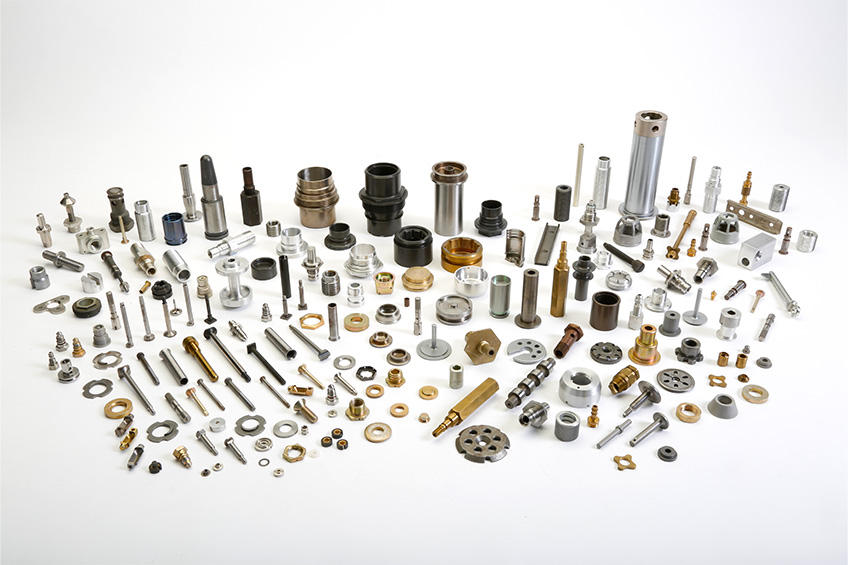
By systematically implementing these control strategies and continuously optimizing them based on actual processing conditions, you can consistently achieve surface quality levels that meet or even exceed expectations.
In short, mastering the above methods provides you with the key knowledge to ensure a high-quality surface finish on CNC parts. Regardless of your chosen machining process or surface finish standard, these proven strategies will help you consistently achieve ideal results.
For professional support, trust wsrcnc's surface treatment services. We adhere to strict precision manufacturing standards and have extensive experience in five-axis machining and precision turning. We provide high-quality surface treatment solutions compliant with ISO 286 standards for industries such as aerospace and medical devices. Our team of experts will tailor the optimal surface treatment solution based on your material properties, design requirements, and application scenario.


